
The Weight of the Artifact: Why We Choose Materials That Outlive Us
There is a quiet, heavy difference between gear designed for a weekend and gear built for a lifetime.
If you walk into any big-box outdoor retailer today, you are greeted by a sea of neon synthetics, injection-molded plastics, and functional-only equipment. It’s gear engineered to be lightweight, sterile, and ultimately, disposable. It serves a purpose, sure. But it doesn’t possess a soul.
Consider the modern, plastic-handled camp axe. It’s neon orange, stamped out of a mold by the thousands, and chemically bonded to a steel head. It works. But when that plastic handle inevitably cracks under a cold-weather overstrike, its story ends in a landfill.
Now, picture a real axe. The head is drop-forged steel. The handle is a single, sculpted piece of American Hickory wood. It has grain. It has a center of gravity that feels like an extension of your forearm. When you use it, the oils from your hands stain the wood, darkening it over years of woodsmoke and crisp autumn mornings. If the handle breaks after a decade of hard use, you don’t throw the tool away—you carve a new one, re-wedge the steel, and hand it down to your kid.
That is an artifact. And at Venturian, we believe the outdoor experience deserves real artifacts.
Here are three reasons why choosing real materials—like wood, steel, canvas, leather, and titanium—matters more than the "fast fashion" equivalent of outdoor gear.

1. The Geometry of Friction (Patina Over Plastic)
Plastics and synthetics are at their absolute best the day you buy them. From that moment on, they degrade. They fray, they fade, and they become ugly.
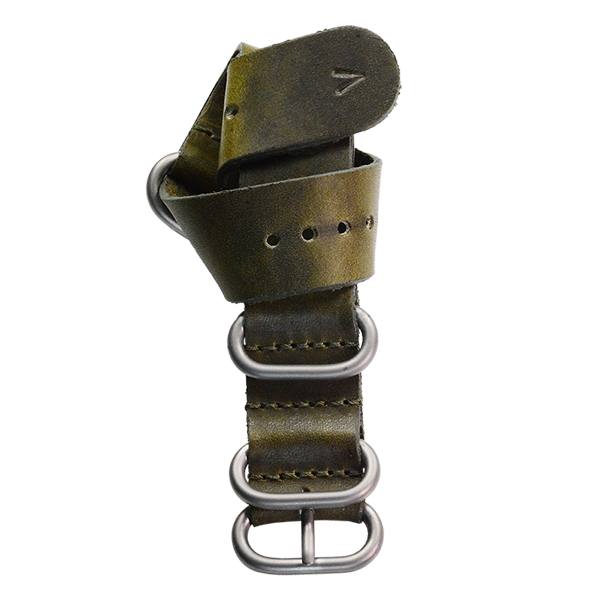
Authentic materials do the opposite. Canvas breaks in, softening to the shape of your load. Vegetable-tanned leather absorbs the elements, deepening in color with every rainstorm. Steel and titanium scuff and scratch, creating a visual record of where you’ve been. This isn’t wear and tear—it’s a patina. Real materials record your history, turning a tool into a companion.

2. A Nature-First Footprint
The "fast fashion" equivalent of outdoor gear is built on a cycle of planned obsolescence. You buy a cheap synthetic pack, the zipper splits after two seasons, and you buy another.
A nature-first mentality means respecting the places we explore by leaving them exactly as we found them—and buying gear that doesn't end up buried in them. Choosing grade-2 titanium, high-carbon steel, and rugged canvas means buying it once. It’s a more thoughtful, intentional way to interact with the world. Fewer things, but better things.
3. The Indelible Experience
When everything in our lives is digital, disposable, and frictionless, we lose our grip on the tangible world. Pulling a mass-produced plastic canteen out of a nylon pouch feels like a clinical transaction.
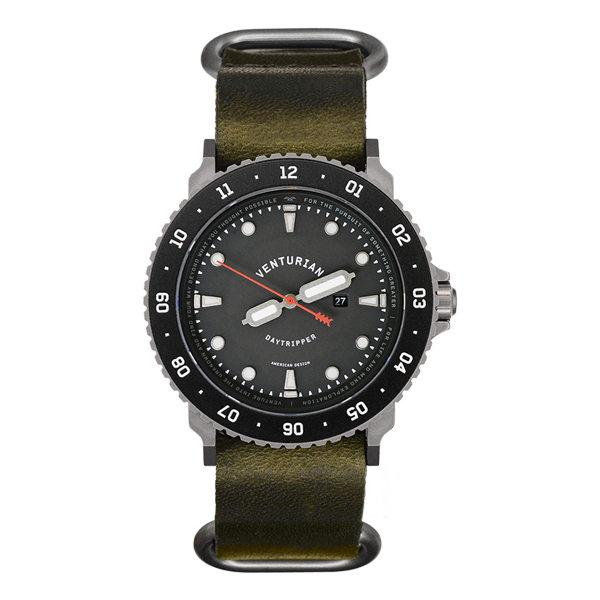
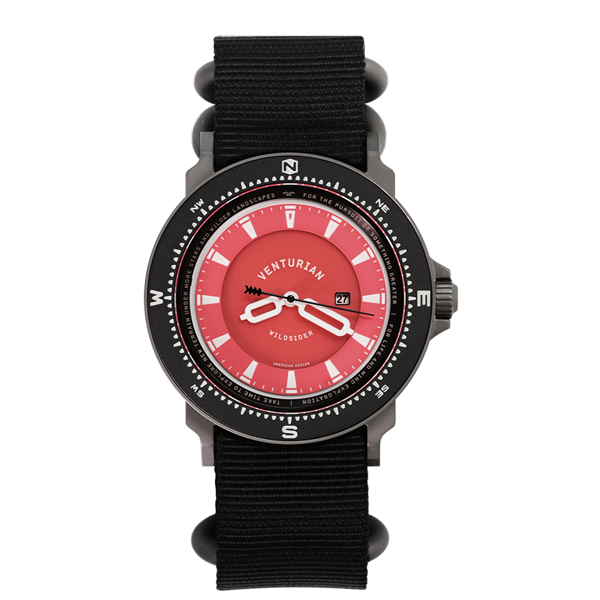
But unthreading a heavy-gauge cap from a flask, or checking a solar-powered titanium timepiece that has no screen, no notifications, and no charging cable? That anchors you to the present moment. It creates an indelible experience because the tactile feedback is real. It connects you to the generations of explorers who came before us, who relied on the same honest materials to navigate the unknown.

The Verdict Don't just buy gear that functions. Acquire artifacts that tell a story. Look for the grain in the wood, the weight in the steel, and the honesty of a tool built to outlast you.
What's your favorite authentic artifact? We'd love to hear from you. Please leave your comment below.
As always, thanks for reading and here is to another exciting adventure ahead.
Stay wild,
Jason



0 comments